
Rook Architectural Edge
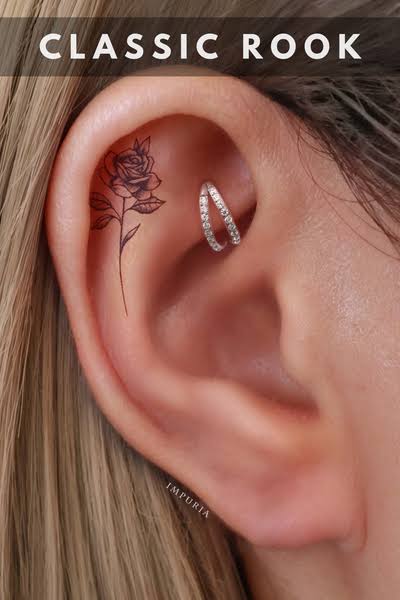
The rook sits in the anti-helix — the thick, dramatic inner ridge of the upper ear. It is one of the most architecturally striking placements available and the exclusive domain of experienced piercers.
45,000 TZS
25–35 min
4 / 5
9–12 months
How We
Approach This
The rook is widely considered one of the most difficult ear piercings to perform correctly due to the dense cartilage of the anti-helix and its inward-curving anatomy. We only pierce rooks suitable for the placement — not every ear anatomy will accommodate it. During consultation, we assess the ridge depth and cartilage density before confirming suitability. Curved barbells are the classic jewelry for a rook, though hinged clickers work beautifully in healed placements.
Anatomy Suitability Check
Not every ear can comfortably accommodate a rook. We assess your anti-helix ridge before booking or charging anything.
Curved Barbell Specialist
The rook's curve demands a curved barbell. We select the precise arc and length suited to your ridge anatomy.
Dense Cartilage
Expect a longer healing journey. The anti-helix is thick and receives less oxygen-rich blood than softer tissues.
Step by Step
A transparent, clinical process — no surprises.
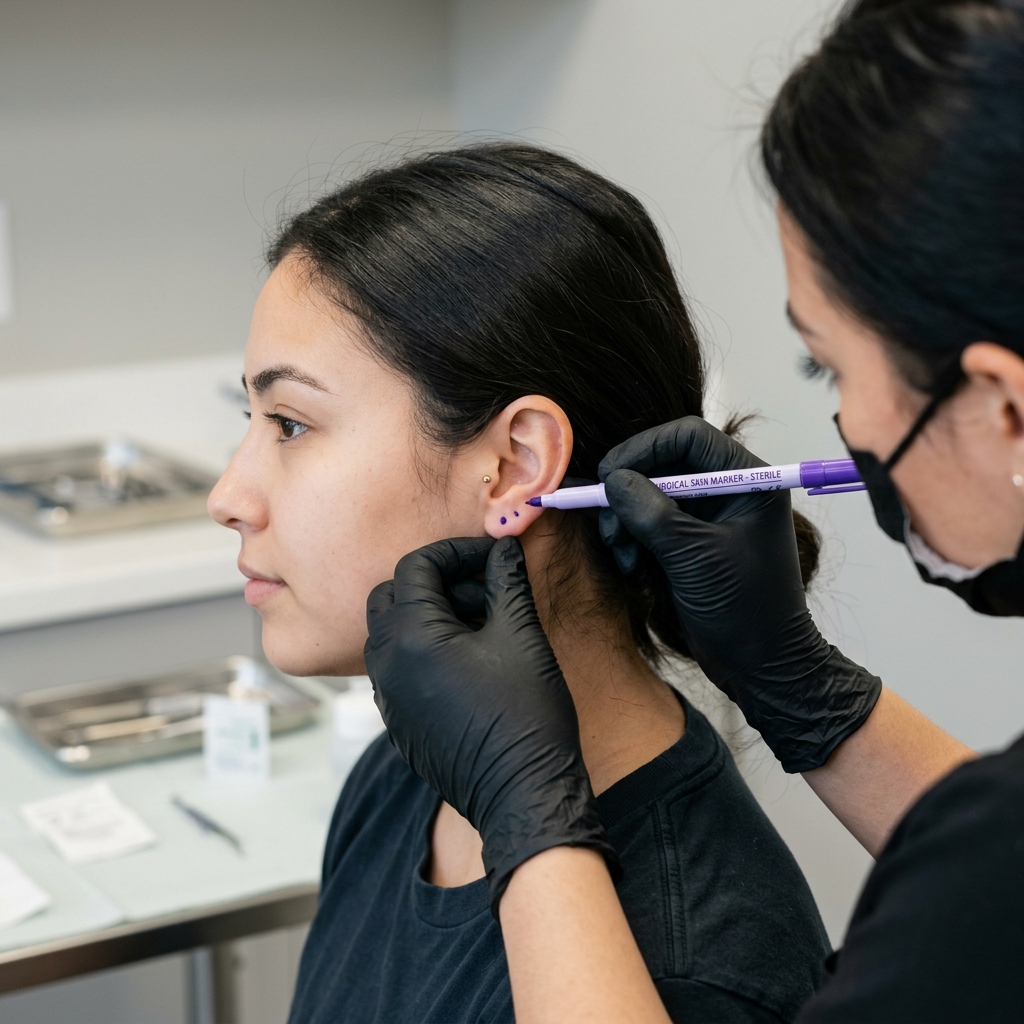
Ridge Assessment
We examine your anti-helix ridge shape, depth, and thickness. We confirm whether your anatomy is suitable for this placement.
- Sterile single-use needle
- Client-approved marking
- Implant-grade starter jewelry
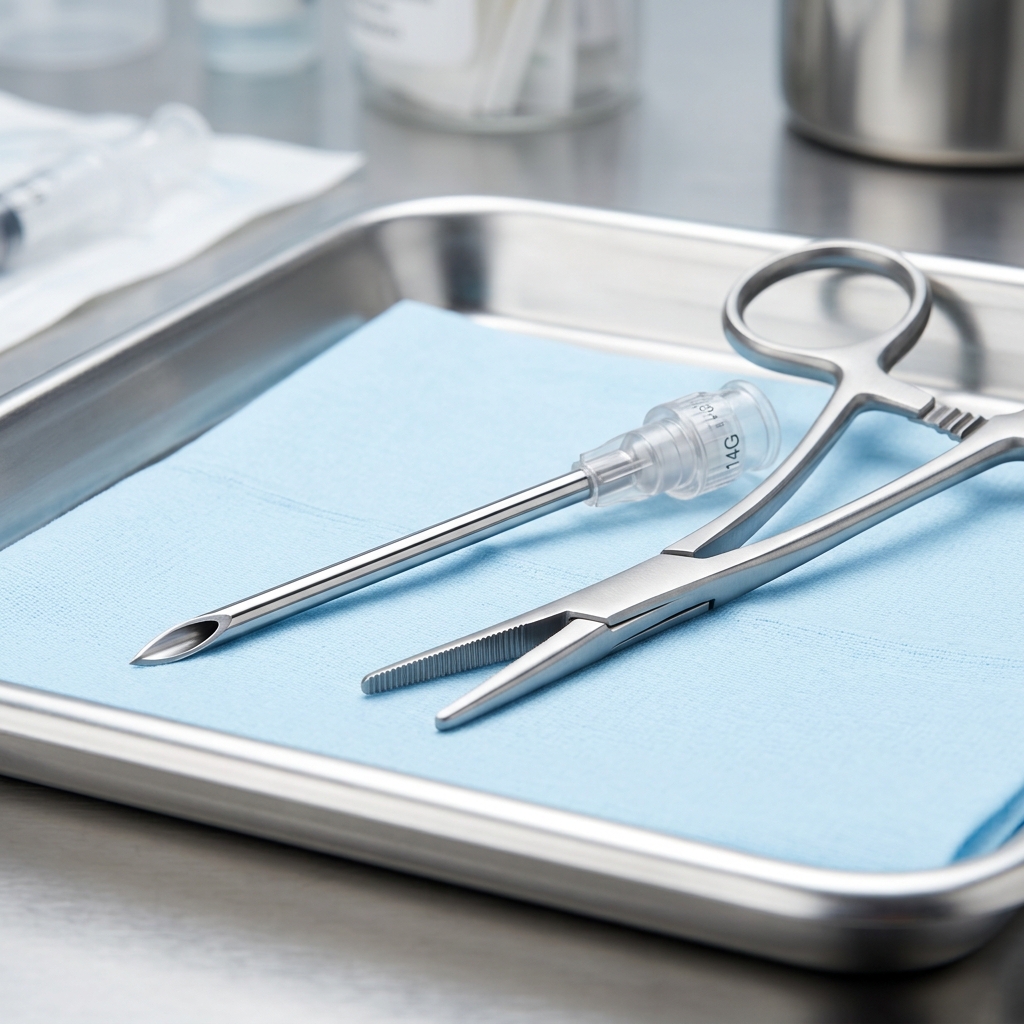
Double-Dot Marking
Entry and exit points are marked on both sides of the ridge fold. You review both angles before we proceed.
- Sterile single-use needle
- Client-approved marking
- Implant-grade starter jewelry
Curved Needle Technique
A curved needle follows the natural arc of your anti-helix. A curved titanium barbell is seated immediately after.
- Sterile single-use needle
- Client-approved marking
- Implant-grade starter jewelry
What We
Put In You
We exclusively use implant-grade materials. Below are the typical starter jewelry options for your Rook piercing.
Healing Instructions
- Saline spray twice daily — morning and before bed
- Never sleep on a healing rook — elevated travel pillow is essential
- Avoid any pressure on the upper inner ear area
- No headphones on the pierced side for 8 weeks minimum
- Expect localized tenderness for 2–4 weeks post-piercing
- Downsizing jewelry at 3 months is recommended — book with us
- Do not attempt to change jewelry before 12 months
Rook FAQ
Will I know if my ear is suitable?
Yes — we check this at your consultation at no charge. Some ears simply don't have a deep enough ridge for safe placement.
Is the rook the most painful ear piercing?
It ranks among the higher-pain ear piercings due to dense cartilage. Most clients rate it a 3–4 out of 5.
What is 'downsizing' and when do I need it?
Downsizing means replacing the longer starter bar with a shorter one once initial swelling subsides. We do this at your 3-month check.
Ready for Your
Rook Piercing?
Our APP-certified piercing artist will walk through every detail of your placement, jewelry selection, and aftercare before any needle is introduced.